
Christian Daily Habits That Transform Your Spiritual Life
Passage is the Bible app that walks with you. Join Christians around the world growing in faith, one verse at a time.


I used to think spiritual growth happened during the big moments—those mountain-top worship experiences or life-changing retreats. But here's what I've actually discovered after years of chasing those highs: they fade fast, and I'd find myself back at square one, feeling spiritually empty again. The real transformation? It's been happening in the mundane Tuesday mornings and exhausted Thursday evenings when I stick to simple, unglamorous habits that nobody else sees.
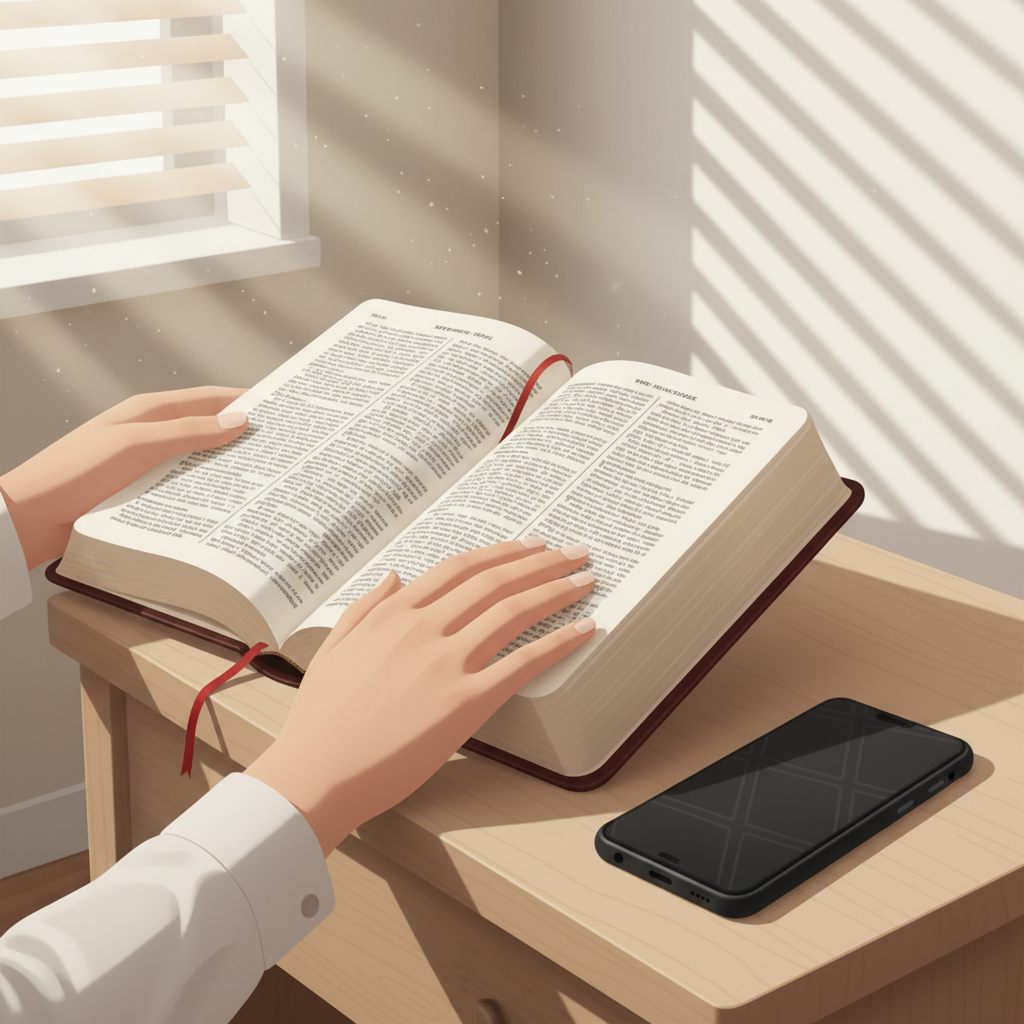
Morning Scripture Before Your Phone: Why This 15-Minute Window Changes Everything
I used to check my phone the second I woke up. Terrible idea. Now I keep my Bible on my nightstand and read for fifteen minutes before touching any device.
The difference is night and day. Your brain is most receptive in those first moments awake—no notifications cluttering your headspace yet. I start with Psalms when I'm anxious, Proverbs when I need wisdom, or continue wherever I left off in my reading plan.
Here's what actually works: Keep your phone in another room entirely. Use an old-school alarm clock. Have your Bible already open to tomorrow's passage before bed. This removes every excuse and friction point.
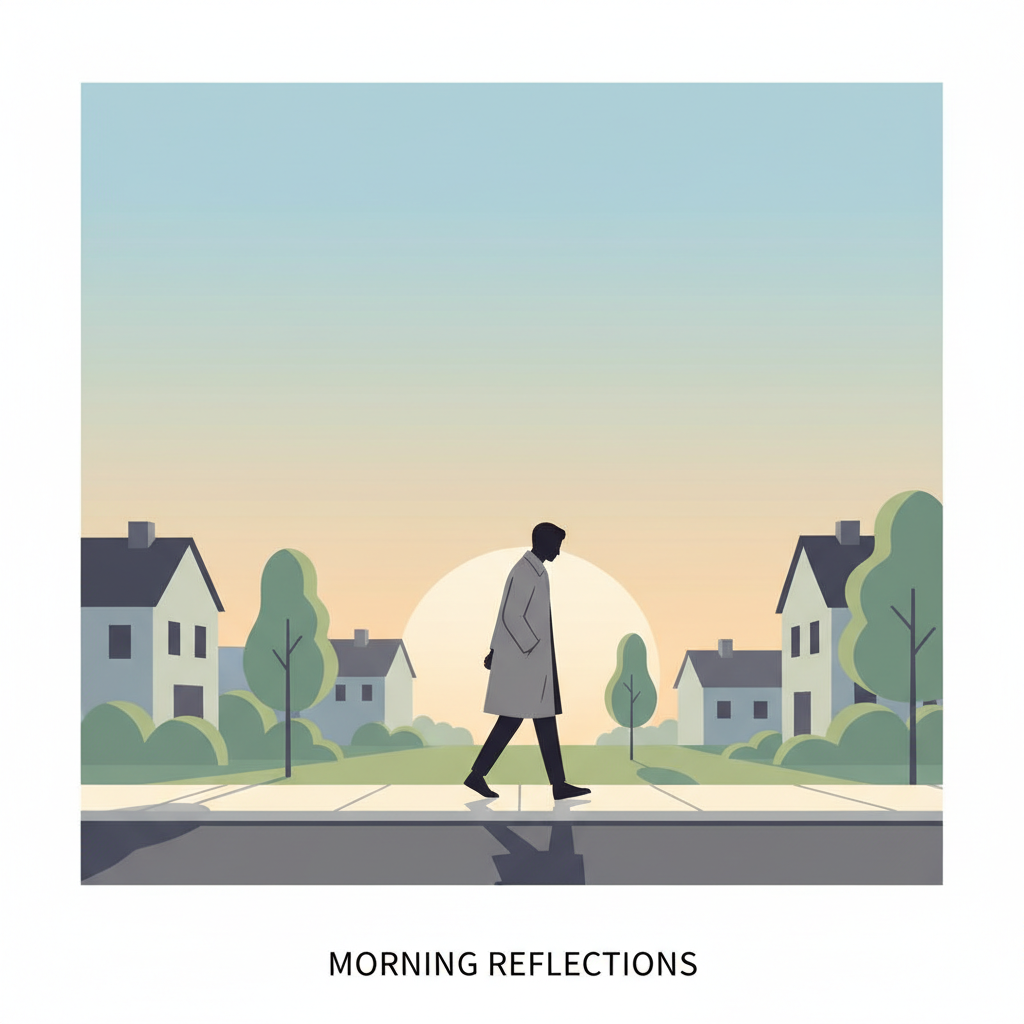
Prayer Walking Your Neighborhood: How Physical Movement Unlocks Deeper Conversation with God
I stumbled onto prayer walking by accident when my morning quiet time felt stale. Turns out, moving my feet unlocked something in my prayers that sitting still never did.
There's something about walking past Mrs. Chen's garden or the house with the broken fence that makes intercession feel urgent and real. I find myself praying specifically for neighbors I'd never thought about before - the teenager who always looks stressed, the elderly man who waves from his window.
The rhythm of walking seems to quiet the mental chatter that usually hijacks my prayer time. Twenty minutes around three blocks consistently produces deeper conversations with God than an hour in my chair.
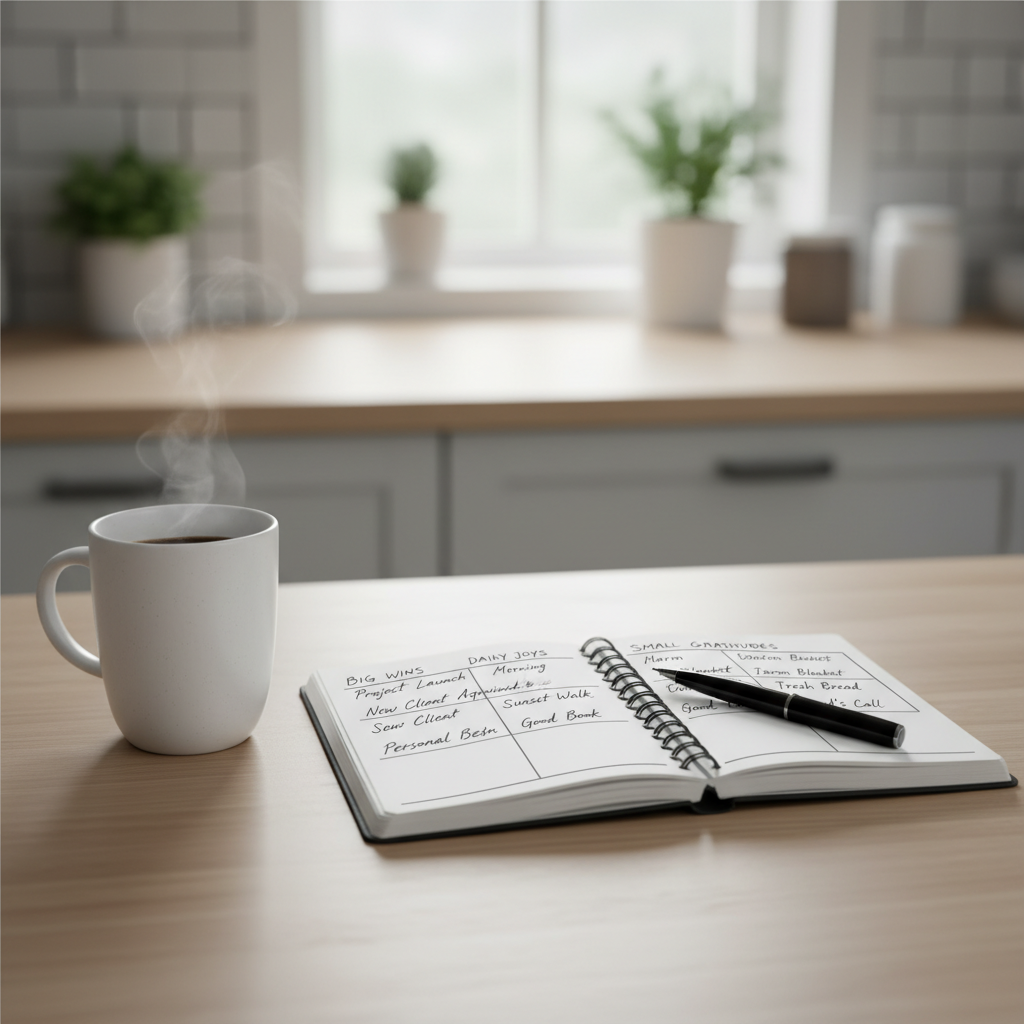
The Gratitude List That Actually Works: Three Categories That Rewire Your Brain
I tried gratitude journaling for months before realizing I was doing it wrong. Writing "grateful for family" felt empty. What actually changed my perspective was dividing gratitude into three specific buckets:
Today's checklist:
- Write one unexpected blessing (that parking spot, a stranger's smile)
- Note one difficult thing that taught you something
- Name one way God provided before you even asked
The middle one hits different. Being grateful for my job rejection led to finding better work. Thanking God for that awkward conversation that taught me patience. This approach rewires your brain to see His hand in everything, not just the obvious stuff.
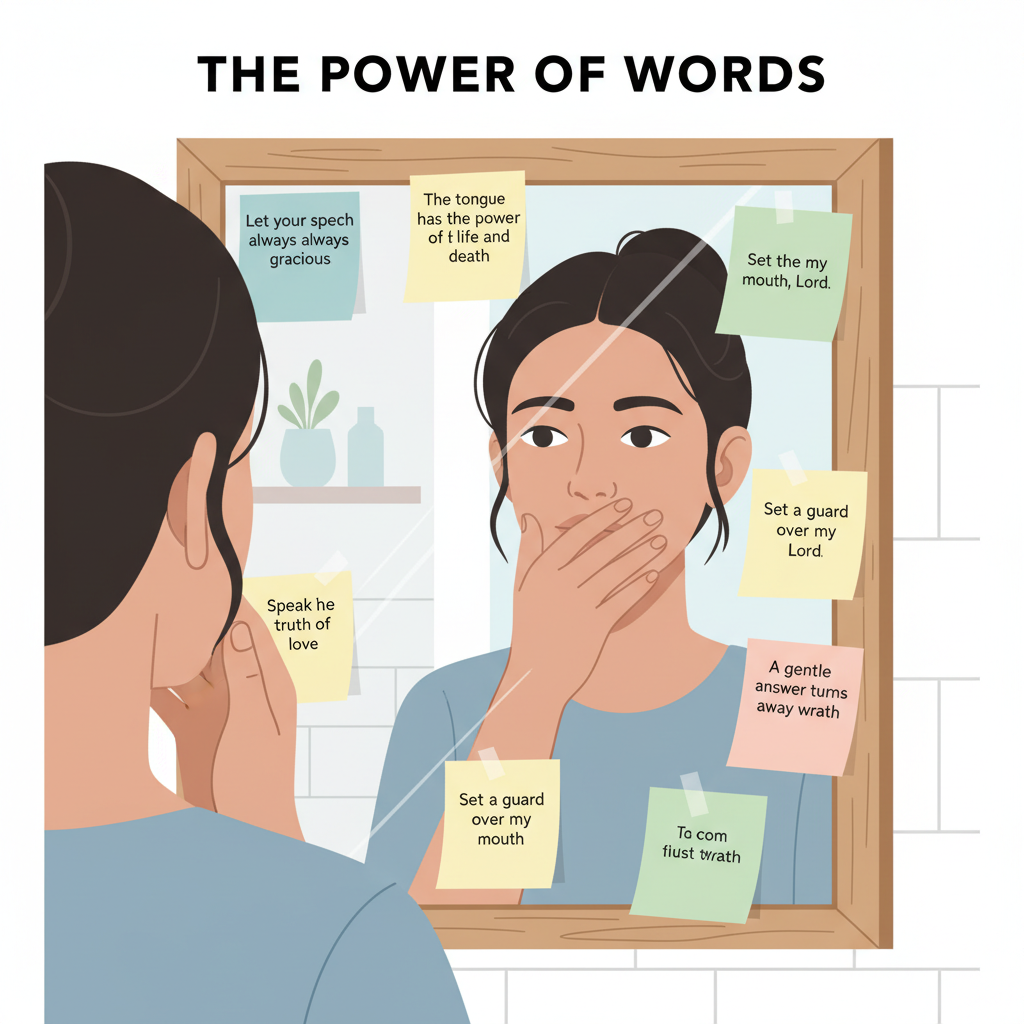
Fasting from Complaints: 30 Days of Catching Negative Words Before They Leave Your Mouth
I discovered this practice during a particularly toxic season at work when I realized I was becoming the person everyone avoided at lunch. The challenge is simple but brutal: catch every complaint before it leaves your mouth for thirty days.
What counts as a complaint? If it's negative and changes nothing, it's out. "This traffic is ridiculous" - nope. "My boss is impossible" - cut it. "I'm so tired" - zip it.
The first week nearly killed me. I had no idea how much mental energy I was spending on verbal garbage. By week three, I started noticing problems I could actually solve instead of just venting about them. My prayer life shifted from whining sessions to genuine gratitude.
Fair warning: you'll discover how much small talk relies on shared misery.
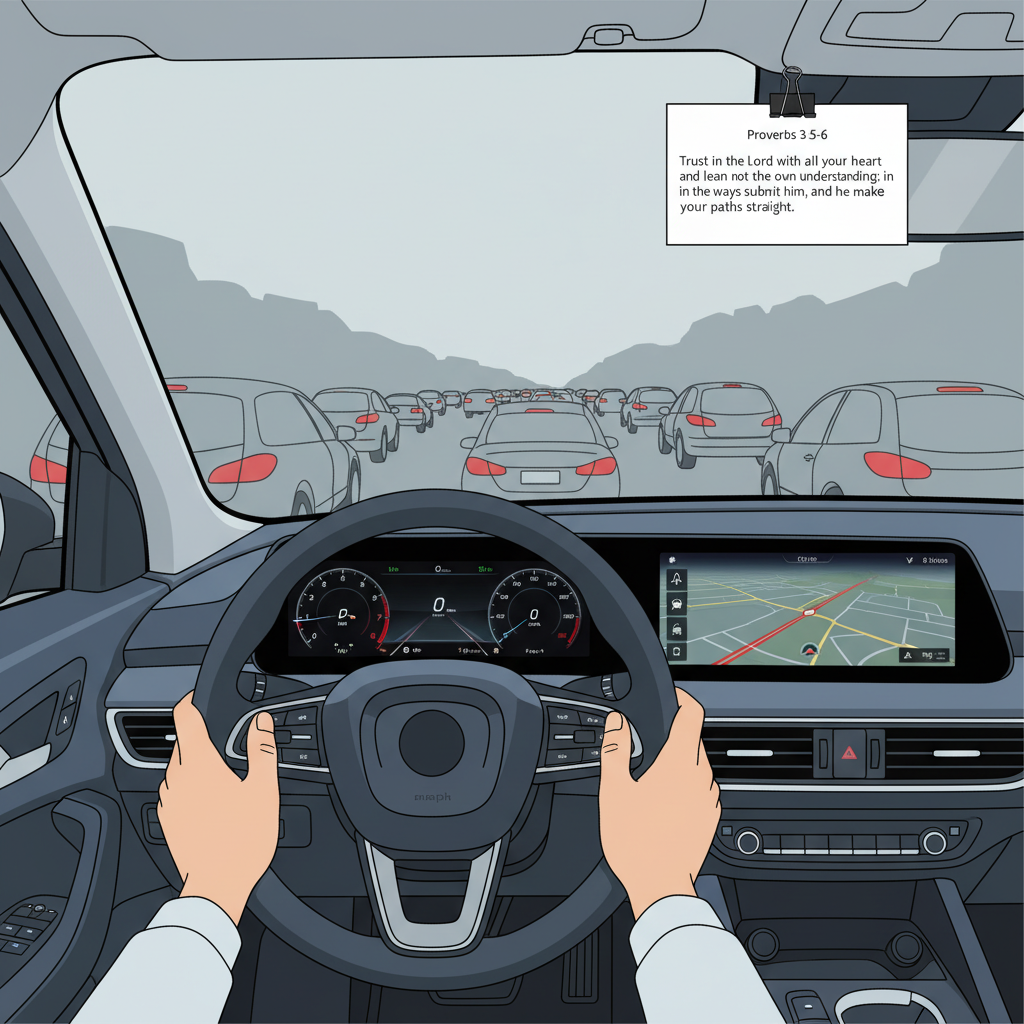
Scripture Memory in Traffic Jams: Turning Dead Time into Spiritual Muscle Building
I used to rage at traffic until I realized I was wasting prime mental real estate. Now my commute is scripture boot camp.
Start with short verses—John 3:16, Philippians 4:13. I'll repeat one verse for the entire drive, breaking it into chunks. "The Lord is my shepherd" (pause, repeat). "I shall not want" (pause, repeat). By the time I hit my exit, it's locked in.
What surprised me: verses I memorized in traffic stick better than ones I studied at home. Something about the repetition and focus cuts through distractions. My brain isn't multitasking—just me, the verse, and brake lights.
Fair warning: you'll catch yourself quoting scripture at random moments. Worth it.
Quick Answers
Should I do morning devotions or evening prayer time if I can only pick one?
From what I've experienced, morning wins hands down - you're setting the tone for your whole day instead of just processing what already happened. Evening prayer tends to get skipped when life gets crazy, but morning devotions become this anchor that keeps you grounded no matter what hits later.
Bible reading plans vs. just reading whatever feels right - which actually works?
I'd go with structured plans, honestly - the "follow your heart" approach sounds nice but usually means you'll read the same comforting passages over and over. Having a plan forces you into those uncomfortable Old Testament books and challenging passages that actually end up changing how you think, even when you don't want to read them.
Journaling prayers vs. just praying out loud - does writing it down really make a difference?
Writing prayers down has been a game-changer for me because it slows down my racing thoughts and forces me to actually finish sentences instead of jumping around. Plus, looking back at old prayer journals shows you how God answered things you completely forgot you even asked for, which builds your faith in ways that mental prayers just can't match.
The 5-Minute Rule
Here's what I'd do if I were starting fresh: pick just one habit and commit to five minutes daily. That's it. I've seen more spiritual growth from consistent tiny steps than from ambitious plans that fizzle out by February. Small and steady wins every time.

