
Best Bible Reading Approaches for Different Learning Styles and Preferences
Passage is the Bible app that walks with you. Join Christians around the world growing in faith, one verse at a time.


I watched my friend Sarah struggle with her daily Bible reading for months—she'd start Genesis every January and quit by February. Then she discovered audio Bibles during her morning walks, and everything clicked. Six months later, she's worked through half the New Testament and actually looks forward to her "Bible walks."
Turns out, forcing yourself into someone else's reading approach is like wearing shoes three sizes too small. I've seen people transform their Bible study once they find methods that actually match how their brains work best.
Why I Started Color-Coding My Bible (And How It Changed Everything)
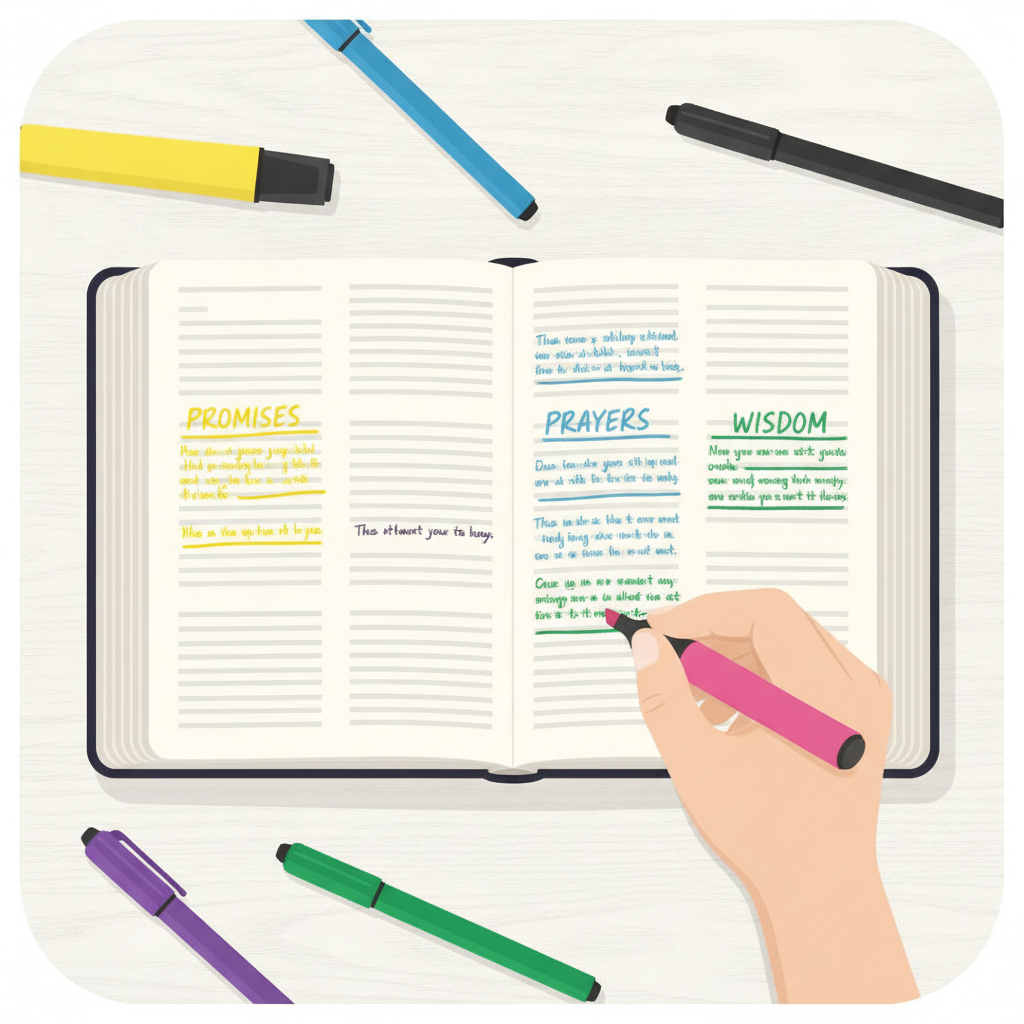
I used to be one of those people who thought highlighting Scripture was somehow disrespectful. Then I hit a wall during my third attempt to read through the entire Bible – everything just blended together in a sea of black text.
My breakthrough came when I assigned colors to themes: red for salvation passages, blue for promises, green for commands, yellow for prophecy. Suddenly, patterns jumped off the page. I could see how God's promises wove through different books, how Jesus fulfilled Old Testament prophecies in ways I'd never noticed.
The real game-changer was reading familiar passages and seeing new connections because of the visual cues. When I flipped to Romans and saw those red salvation highlights connecting to yellow prophecy marks from Isaiah, Scripture became this living, breathing tapestry instead of isolated verses.
Now my Bible looks like a rainbow exploded in it, and I wouldn't have it any other way.

Walking Through Scripture: My Morning Route Bible Study Method
I stumbled onto this during my daily walks around the neighborhood. Instead of podcasts, I started listening to audio Bible while walking the same 2-mile route. What I discovered surprised me—the physical rhythm actually helped me absorb more.
Here's what works: Pick one book, walk the same route daily, and let the repetition sink in. I spent three weeks walking through Philippians, and by the end, I could quote entire passages. The combination of movement, fresh air, and familiar surroundings creates this perfect learning environment.
Best for: Kinesthetic learners who think better while moving, people with busy schedules who can multitask, anyone who struggles sitting still for traditional study.
My tip: Start with shorter books like James or 1 John. The sense of completion keeps you motivated.

From Podcast to Personal: How Audio Bibles Became My Game-Changer
I'll be honest—I stumbled into audio Bibles by accident. I was commuting forty minutes each way and burning through podcasts faster than I could find new ones. Someone mentioned the Bible app had audio versions, so I figured why not?
That first drive through Romans completely changed how I absorbed scripture. Hearing the emotion in the narrator's voice made Paul's letters feel like actual conversations instead of dense theological text. I started catching nuances I'd missed reading silently—the urgency in certain passages, the tenderness in others.
What really sold me was multitasking ability. I listen while doing dishes, walking the dog, even during boring work tasks. My retention actually improved because I wasn't fighting distractions from my phone or surroundings. Now I alternate between reading and listening, but audio has become my primary way of getting through larger chunks of scripture.
Building My Bible Study Toolkit: What Actually Gets Used vs. What Collects Dust
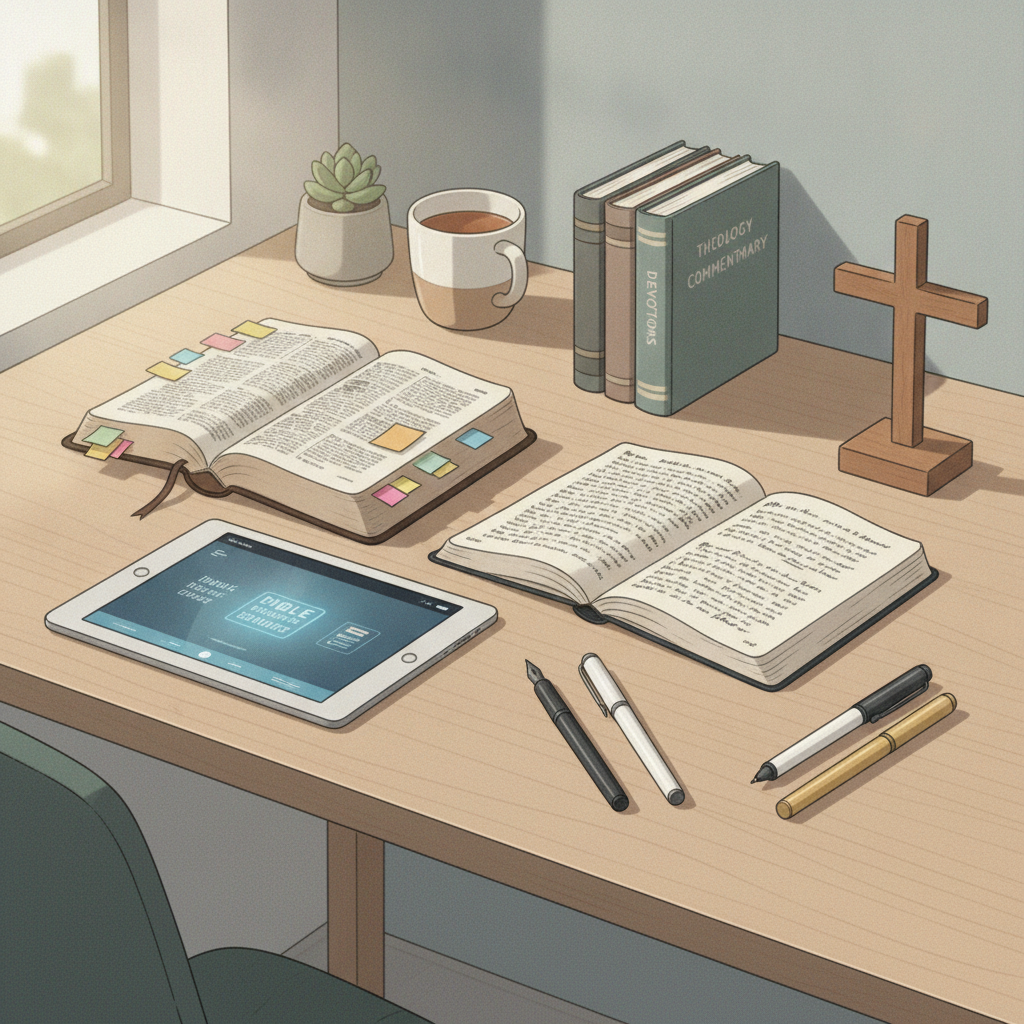
I've wasted money on Bible study tools that looked impressive but never left my shelf. Here's what I actually reach for versus what became expensive bookends.
The Daily Drivers: A simple journal, colored pens (not fancy highlighters), and my phone's notes app. That's it. The journal gets messy with questions and connections. The pens help me mark themes without overthinking a color system.
The Dust Collectors: Elaborate workbooks with predetermined questions, expensive leather portfolios, and those multi-colored highlighter sets that promised to "transform my study." I felt pressured to use them "correctly" instead of just reading.
The best toolkit matches how you naturally think and take notes. Start minimal, add only what you actually miss.
Common Questions Answered
Does the whole "read the Bible chronologically" thing actually make it easier to understand?
From what I've seen, it helps some people but honestly makes it harder for others - jumping around the Old Testament timeline can be confusing if you're not already familiar with the stories. I'd say try it if you're a detail-oriented person who likes seeing how everything connects, but if you get overwhelmed easily, just stick to reading books front-to-back.
Is it worth buying those expensive study Bibles, or can I just use free apps?
The free apps are honestly pretty solid these days - I use Blue Letter Bible constantly and it has most of what you need. But if you're someone who learns better writing in margins and flipping between pages (like me), a physical study Bible is worth the investment since you'll actually use the notes more than digital pop-ups.
Does listening to audio Bibles really count as "reading" - will I actually retain anything?
I was skeptical about this too, but I retain way more from audio when I'm walking or doing dishes than when I'm forcing myself to sit still with a book. The key is finding a narrator whose pace matches how you think - some are way too slow, others rush through like they're late for dinner.
Your Next Sunday Morning
Here's what I'd do: pick one approach that sounds interesting and try it for a week. Don't overthink it. If visual mapping feels right, grab some colored pens. If you're more of a listener, find an audio version.
The Bible's been around for centuries—it can handle your learning quirks.

