
Scripture Reading for Suffering: Finding God in Difficult Times
Passage is the Bible app that walks with you. Join Christians around the world growing in faith, one verse at a time.


I've noticed something interesting in my years of pastoral care—the most dog-eared Bibles I encounter belong to people who've walked through serious hardship. There's something about suffering that drives us deeper into Scripture, searching for words that actually speak to our pain. It's not about finding easy answers or quick fixes, but discovering that God shows up in the darkest chapters of our stories.
When Words on a Page Feel Like Empty Promises
1. Read one verse and sit with it. When I'm drowning, trying to read whole chapters feels like force-feeding myself sawdust. I've learned to pick one line—maybe Psalm 34:18 about God being close to the brokenhearted—and just chew on that for ten minutes.
2. Try different translations. The Message or NLT can hit differently when the ESV feels like legalese. Sometimes I need "God's got his eye on you" instead of formal language.
3. Read out loud to yourself. Something about hearing the words changes everything. Makes them feel less like ancient history and more like someone actually talking to me.
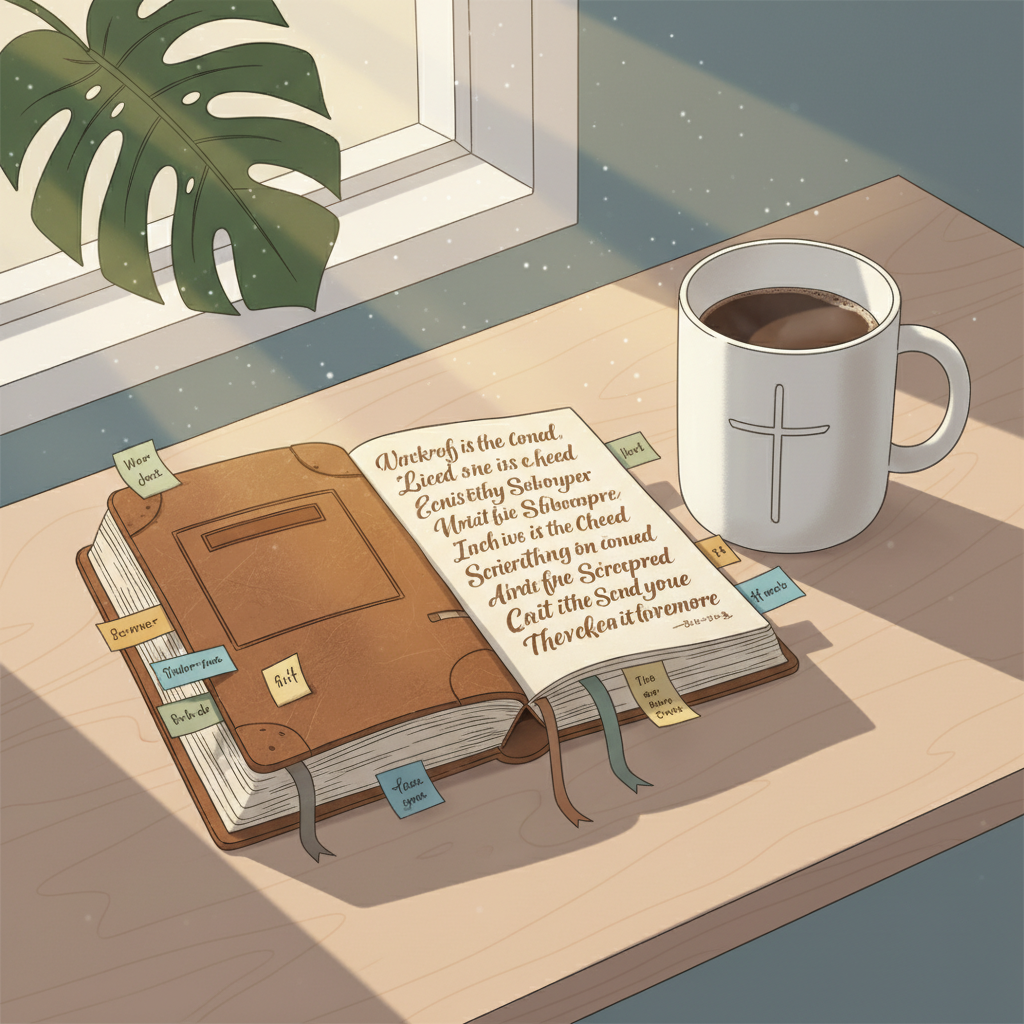
Building Your Crisis Scripture Toolkit Before You Need It
I learned this the hard way when my dad was diagnosed with cancer. Suddenly I needed verses about God's presence in suffering, but panic-scrolling through my Bible app at 2 AM wasn't exactly productive.
Now I keep a simple note on my phone with passages that have actually sustained me through tough seasons. Psalm 23, Romans 8:28-39, Isaiah 41:10 - verses I've already wrestled with when my mind was clear. I write a sentence or two about why each one matters to me.
When crisis hits again (and it will), I won't waste emotional energy hunting for comfort. I'll have my toolkit ready, verses that already feel like old friends.
Reading Through Anger, Doubt, and Numbness
I used to slam my Bible shut when verses felt like empty platitudes. "God works all things for good" made me want to throw something when my world was falling apart. Here's what I learned: those feelings aren't spiritual failures—they're honest responses.
When I'm angry at God, I read the Psalms. David was furious half the time. When doubt creeps in, I stick with simple verses I've memorized, not complex theology. During numb seasons, I read out loud, even if the words feel hollow. Sometimes the act of reading carries you when faith can't. Your emotions don't disqualify you from Scripture—they make you human.
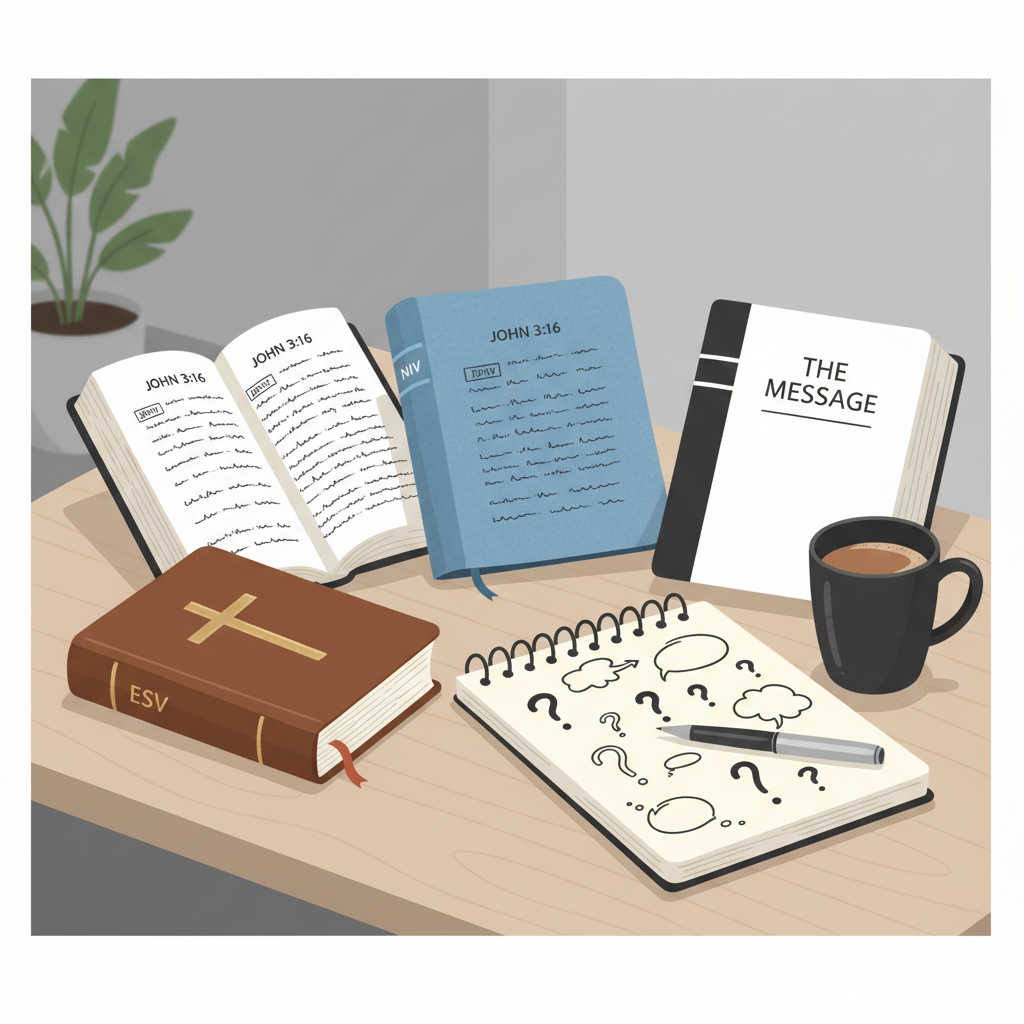
Making Peace with Unanswered Questions in Scripture
I used to think faithful Christians had answers for everything in the Bible. Then Job's story stopped making sense to me during my own crisis. Why did God allow Satan to destroy an innocent man's life just to prove a point?
Here's what I've learned: holding space for mystery isn't giving up on faith—it's maturing in it.
When I hit passages that don't compute, I write them in a journal with "I don't understand this yet" next to them. I've noticed that some verses that baffled me during easy seasons suddenly click during hard ones. Others still don't make sense, and that's okay.
The goal isn't solving God like a puzzle. It's sitting with him in the questions.

Scripture as Companion, Not Quick Fix
I've learned the hard way that rushing to scripture for instant comfort usually backfires. When my dad was dying, I'd frantically flip through Psalms looking for the "right" verse to make everything okay. It felt hollow.
What actually helped was sitting with one passage for weeks. I'd read the same few verses of Psalm 23 every morning with my coffee, not hunting for breakthrough moments but just letting the words be present with me. Some days they meant nothing. Other days, "He restores my soul" hit different.
Scripture works more like a faithful friend than a pharmacy. Friends don't fix everything immediately, but they show up consistently. I've found that returning to the same passages during hard seasons—really living with them—creates space for God to meet me there gradually.
Quick Answers
Does reading the Bible actually help when you're going through something terrible, or is it just wishful thinking?
Honestly, it depends on what you're expecting - if you're looking for magic answers or instant relief, you'll probably be disappointed. But from what I've experienced, certain passages can give you language for what you're feeling and remind you that suffering isn't the end of the story, which beats staring at the ceiling at 3am wondering if God's even there.
Is it worth forcing yourself to read Scripture when you can barely get out of bed, or should you just skip it until you feel better?
I'd say start ridiculously small - like one verse or even just a few words from Psalms - because waiting until you "feel better" might mean waiting forever. Sometimes the act of reading even when you don't want to is what breaks through the fog, and you can always build from there once you're in a better headspace.
What I Keep Coming Back To
Here's what I'd do: pick one verse that hits different when you're hurting, then sit with it for a week. Don't overthink it. Just let it marinate.
My take? God shows up in the messy middle of our pain more than we realize. Sometimes we just need the right words to see Him there.

