
How to Start Bible Journaling as a Spiritual Practice for Reflection
Passage is the Bible app that walks with you. Join Christians around the world growing in faith, one verse at a time.


I watched my friend Sarah transform her morning routine last year when she started Bible journaling. What began as simple doodles in the margins of Psalms became this rich practice where she'd sketch, write prayers, and work through difficult passages with colored pencils and honest questions. Her journals became these beautiful, messy records of her spiritual journey—part art, part theology, entirely personal. That's when I realized Bible journaling isn't just trendy Instagram content.
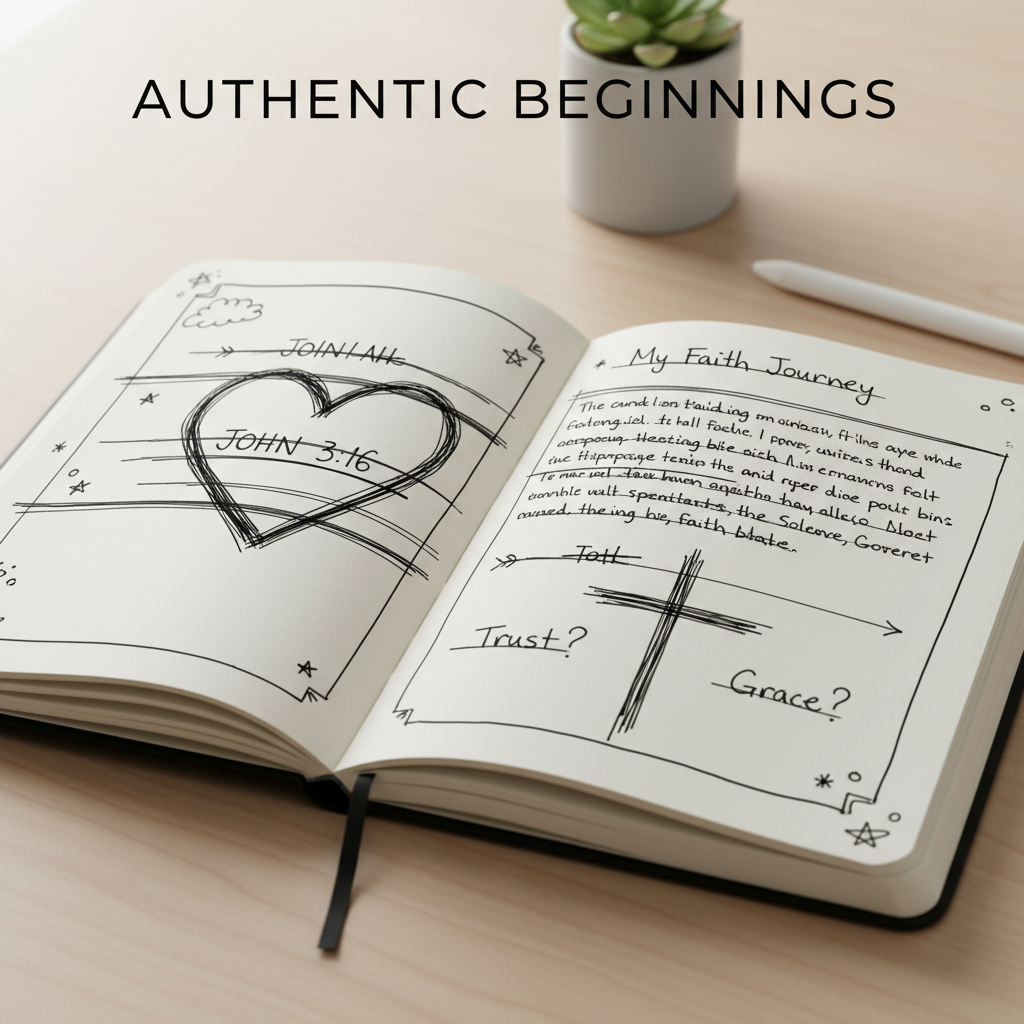
Your First Journal Entry Doesn't Need to Be Perfect (Mine Was Terrible)
Myth: Your first Bible journal entry should be profound and spiritually insightful.
Reality: My first entry was literally "God help me figure out what I'm doing with my life" scrawled next to Psalm 23. It looked like a grocery list had a baby with existential dread.
Myth: You need beautiful handwriting and artistic skills to start.
Reality: I write like a caffeinated doctor. My margins are crooked, my doodles look like abstract accidents, and sometimes I just draw angry question marks when I'm confused by a passage. It still works.
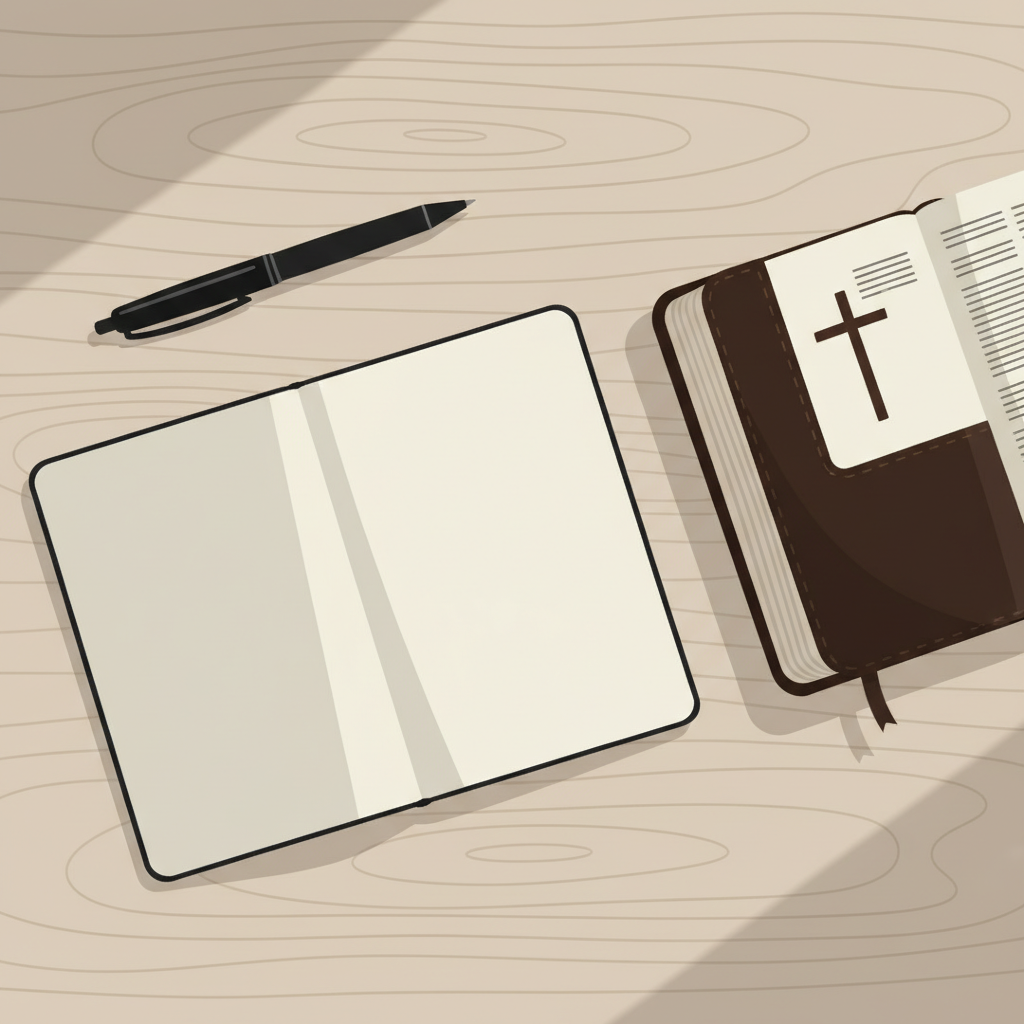
Three Supplies That Actually Matter (Skip the Fancy Stuff for Now)
Option A: The Instagram Setup Buy a $40 leather-bound journal, calligraphy pens, and washi tape. Create Pinterest-worthy spreads with perfect lettering and elaborate borders.
Option B: The Actually-Gets-Used Setup Grab any notebook with blank or lined pages, a pen that feels good in your hand, and your Bible.
Here's what I've learned after trying both: Option A sits on my shelf looking pretty while Option B lives on my nightstand, dog-eared and coffee-stained from actual use.
I spent way too much time in the beginning focusing on making things look perfect instead of just writing. Your thoughts don't need fancy borders - they need to exist on the page. Start with a $3 composition notebook if that's what you have. The goal is reflection, not winning a design contest. You can always upgrade your supplies once the habit sticks.
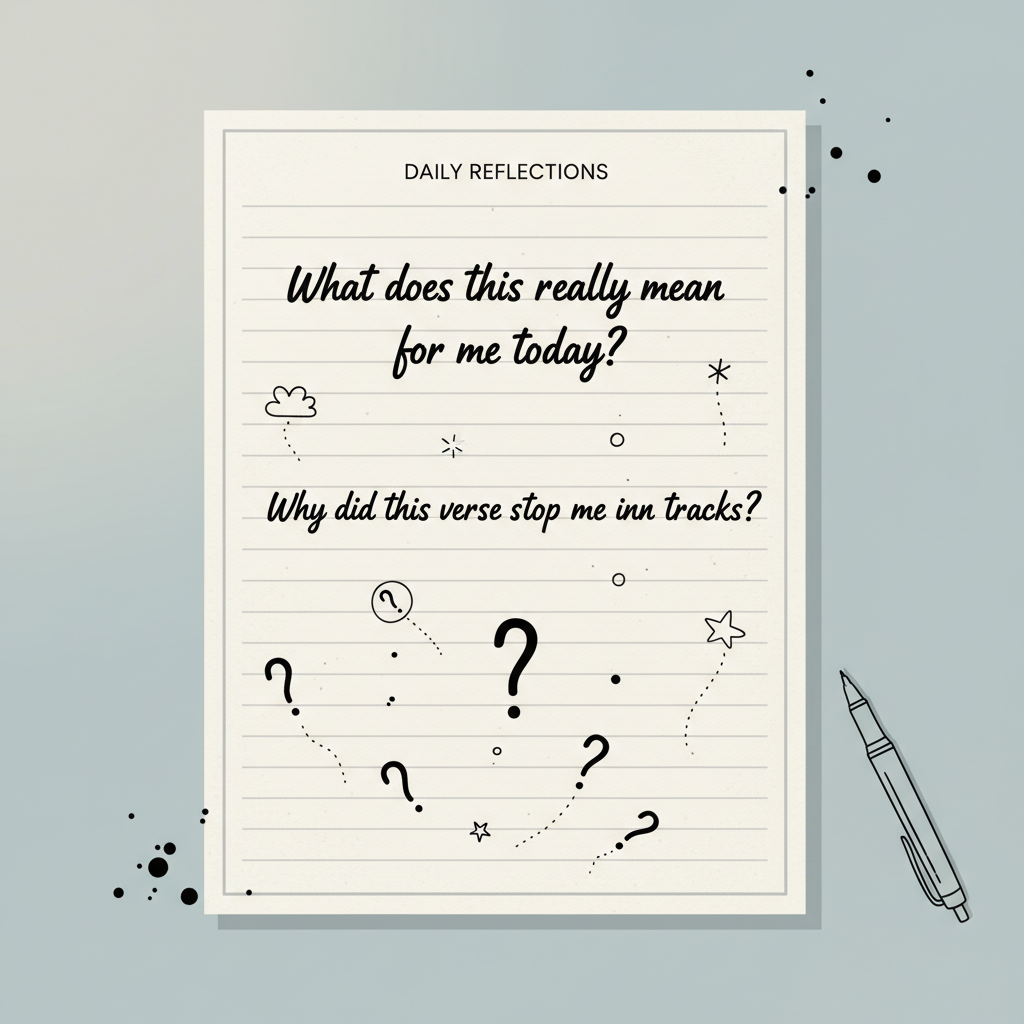
Why I Started Writing Questions Instead of Answers
I used to approach Bible journaling like I was taking a test - reading a passage and immediately writing down what I thought it meant. Felt productive, but honestly? I wasn't growing much.
The shift happened when I started treating my journal more like a conversation partner. Instead of writing "This verse teaches patience," I'd write "Why do I struggle with patience when things don't go my way?" or "What would my day look like if I actually believed God's timing is better than mine?"
Those questions stuck with me throughout the week. I'd find myself thinking about them while washing dishes or sitting in traffic. The questions became doorways into deeper reflection rather than neat little conclusions I could check off and forget.
Now I write maybe three questions for every answer. Way more uncomfortable, but that's where the real work happens.
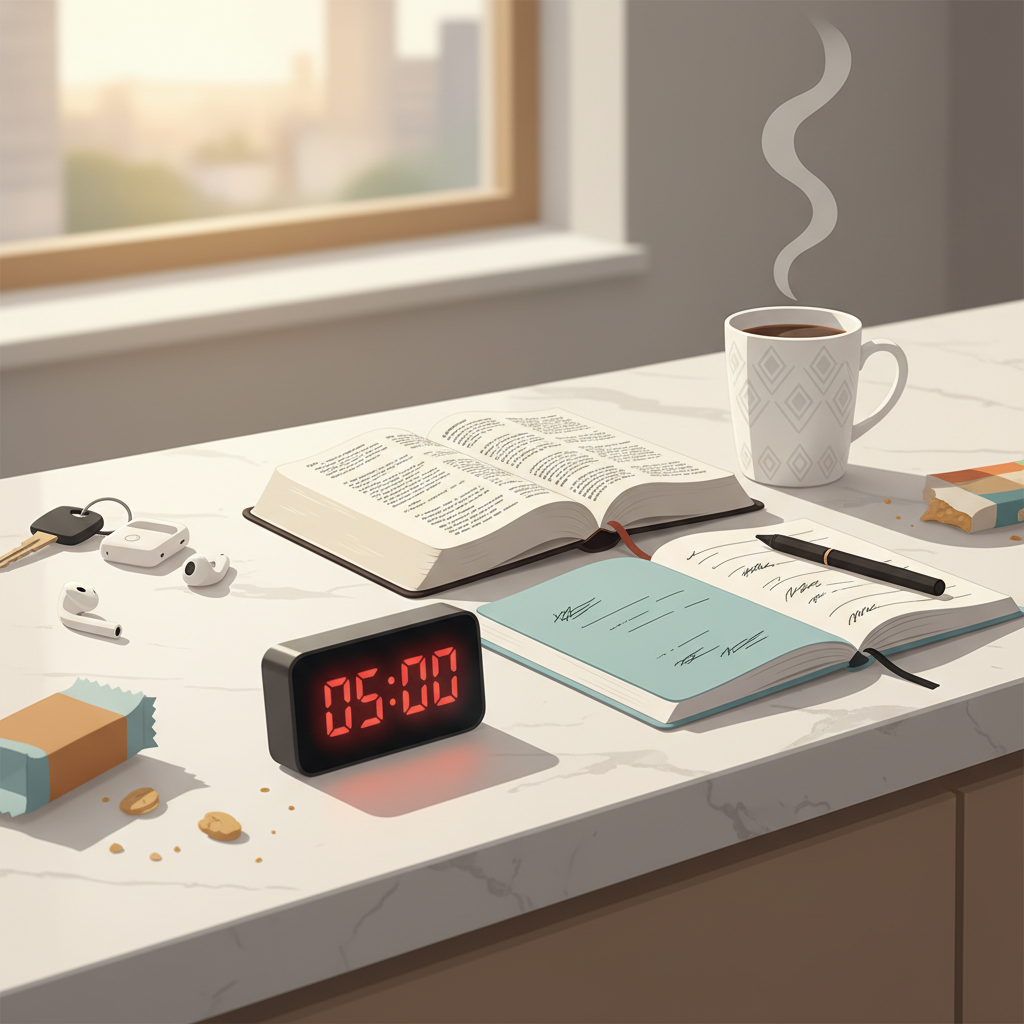
Making It Stick When Life Gets Crazy (5-Minute Wins)
I used to think Bible journaling meant perfect calligraphy and hour-long sessions. Wrong. The habit that actually stuck? Five-minute micro-sessions that fit into chaos.
My go-to shortcut: Keep your journal open to today's page on your nightstand. When you brush teeth, jot down one word that describes how you felt reading yesterday's verse. That's it. No pressure for profound insights.
Tuesday mornings before coffee? Write the verse reference and circle one word that jumps out. Stuck in carpool line? Draw a simple doodle next to a Bible verse on your phone, then transfer it later.
I've found the "messy page" approach works better than waiting for inspiration. Scribbled thoughts beat blank pages every time. The spiritual reflection happens naturally once you're actually writing, not before.
Your Questions, Answered
What if I'm not good at art or drawing for Bible journaling?
Honestly, I started with stick figures and terrible handwriting, and it was still meaningful - the point isn't creating Instagram-worthy pages, it's connecting with the text. I'd recommend starting with simple underlining, circles around key words, or even just writing one-word reactions in the margins rather than trying to create elaborate artwork.
What if I can't think of anything to write when I'm Bible journaling?
I hit this wall constantly in my first few months, so now I keep a few go-to questions handy: "What stands out to me here?" or "How does this connect to my life right now?" Sometimes I literally just copy out a verse that caught my attention and write "This hit me today" - that's enough to start building the habit.
What if Bible journaling feels forced or fake when I try it?
I felt like I was performing for an audience of no one when I started, which was weird and uncomfortable. What worked for me was ditching any pressure to be profound and just treating it like texting a friend about what I read - casual, honest, even complainy if that's how I felt about a passage that day.
Just Start Scribbling
Here's what I'd do: grab whatever Bible you have, find a random verse that catches your eye, and write one honest sentence about it. Don't overthink it. The magic isn't in perfect handwriting or deep theology—it's in showing up consistently and letting God meet you on the page.

