
How to Make Bible Reading Accessible for People with Learning Disabilities
Passage is the Bible app that walks with you. Join Christians around the world growing in faith, one verse at a time.


I'll never forget watching Sarah, a woman with Down syndrome in my congregation, light up when I handed her a Bible with larger text and simpler language. For the first time in her adult life, she could actually follow along during Scripture reading instead of just pretending to understand. That moment changed how I think about accessibility in faith communities. According to the CDC, about 6.8 million Americans have an intellectual disability—yet most of our Bible study materials completely ignore their needs. We can do better.
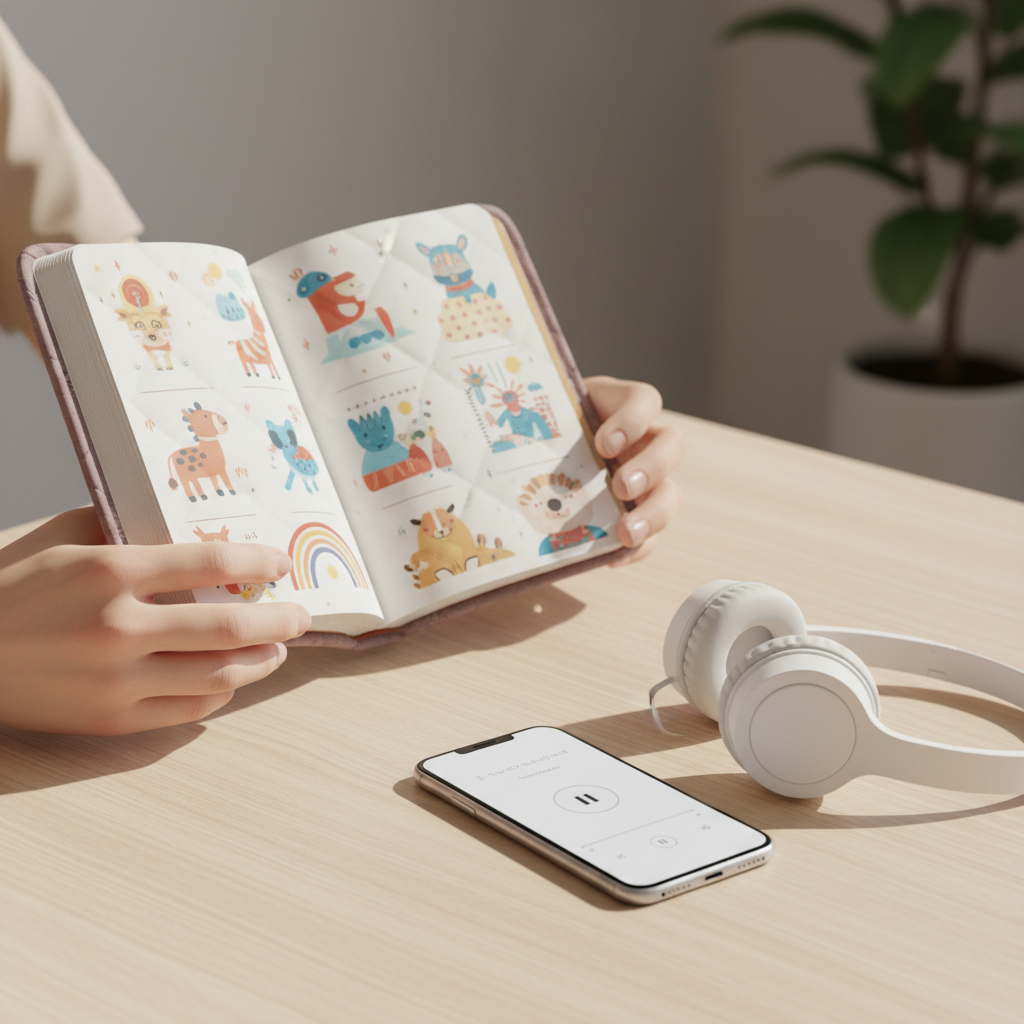
Picture Bibles and Audio Apps Changed Everything for My Son
I'll be honest - traditional Bible reading was torture for my son with dyslexia. He'd get frustrated after two verses and give up completely. Then I discovered picture Bibles weren't just for toddlers.
The Jesus Storybook Bible became our breakthrough. Rich illustrations gave him context clues when words got jumbled. He could follow along visually while I read, connecting images to the story flow. Within weeks, he was asking for "Bible time" instead of avoiding it.
Audio apps sealed the deal. YouVersion's dramatized readings let him absorb entire chapters without the reading struggle. Now he listens during car rides and actually retains what he hears.
Priority one: Find visual Bible versions with quality artwork Priority two: Use audio alongside visual - never replace one with the other
The combination builds comprehension from multiple angles.
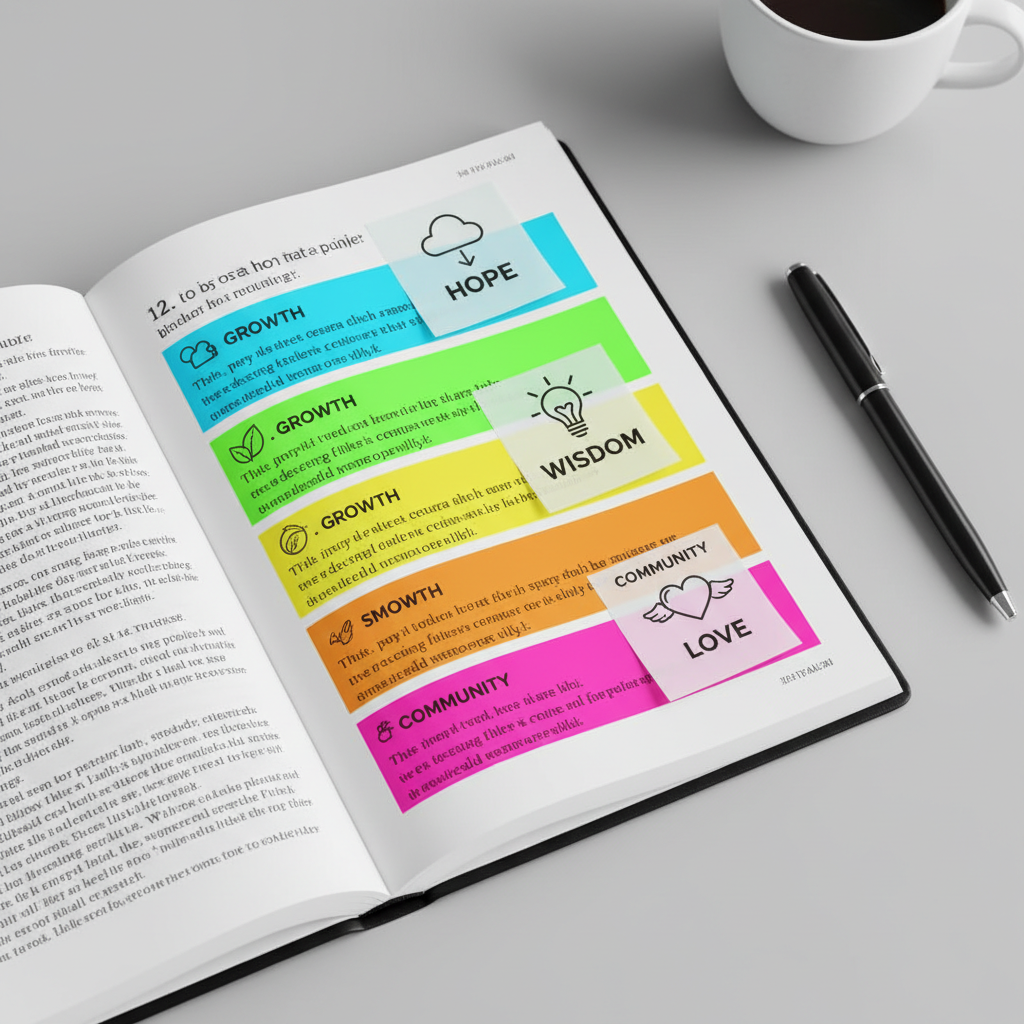
Breaking Down Verses Into Bite-Sized Pieces That Actually Stick
I've watched too many people get overwhelmed trying to digest entire chapters at once. What actually works? Three to five words max per chunk.
Take John 3:16 - instead of the full verse, I break it down: "God loved" (pause). "The world" (pause). "He gave His son" (pause). Each piece gets its own moment to sink in.
The game-changer was using index cards with one phrase per card. My friend Sarah with dyslexia went from struggling through verses to actually remembering them weeks later. She'd flip through her stack of "bite-sized Jesus" cards during lunch breaks.
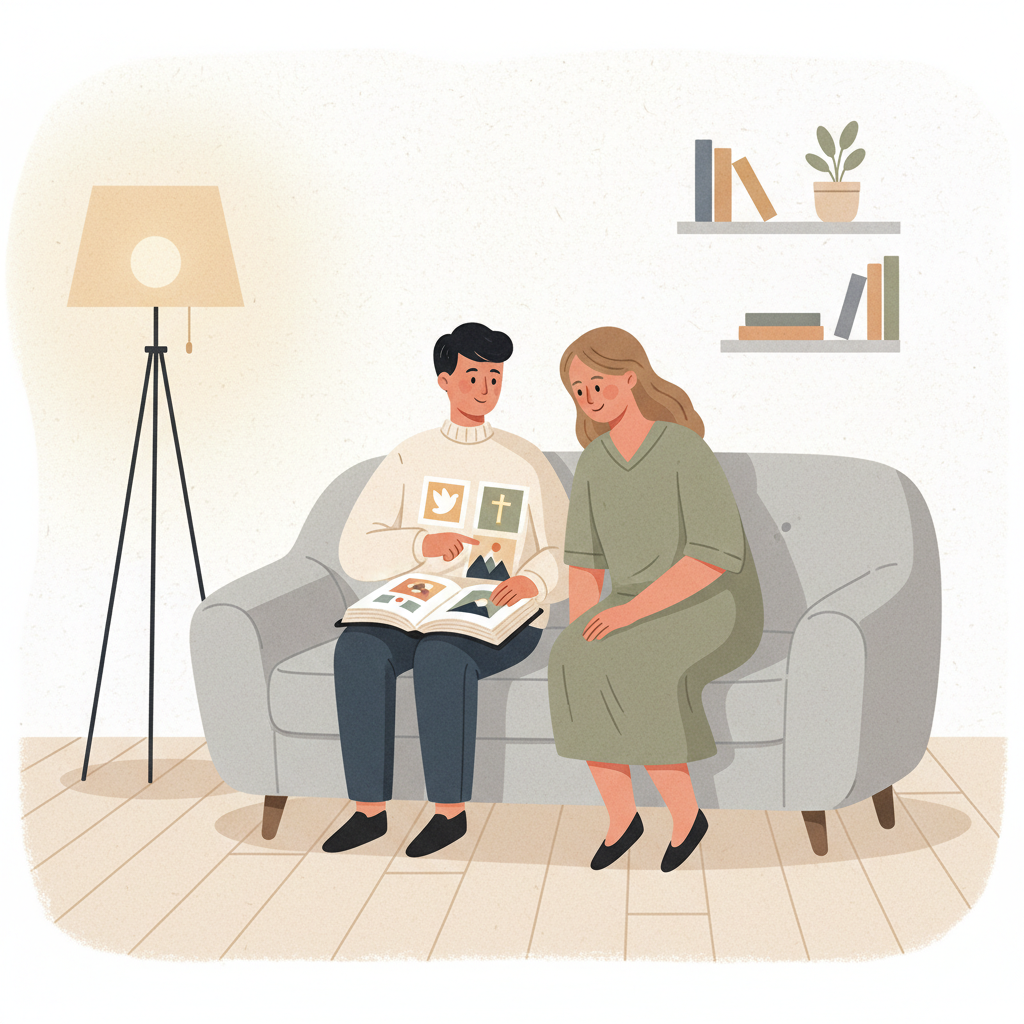
When Reading Together Beats Reading Alone Every Time
I've watched too many people struggle through Bible reading alone when they could've thrived with company. Reading together isn't just "nice" - it's often essential for learning disabilities.
When someone has dyslexia, having a reading partner eliminates the exhaustion of decoding every word. The person with ADHD who can't focus for ten minutes solo? They'll engage for an hour in good conversation about a passage. I've seen it happen.
The magic isn't in the group size. Two people work perfectly. What matters is removing the pressure to perform and adding the safety to ask "What did that mean?" without feeling stupid.
Find one person who won't judge your questions. Start with short passages. Take turns reading aloud if that helps, or let one person read while the other listens and responds.
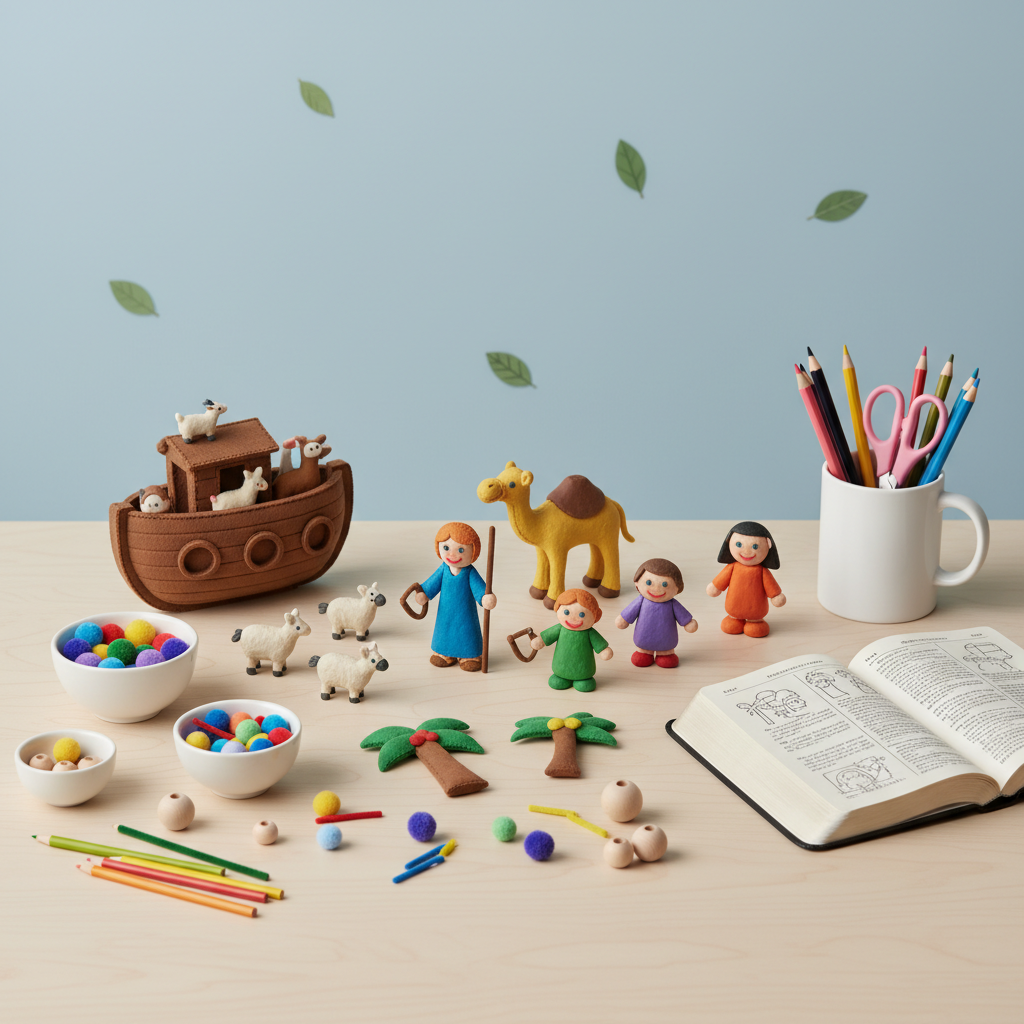
Simple Tools That Turn Bible Stories Into Hands-On Adventures
I used to think visual aids meant fancy felt boards from Sunday school catalogs. Wrong approach entirely. What actually works are simple household items that let people touch and manipulate while they hear the story.
For Noah's ark, I grab plastic animals and a cardboard box. Daniel in the lion's den? Stuffed lions work perfectly. The feeding of the 5,000 becomes real when you're actually breaking apart dinner rolls and passing fish crackers around.
Here's what I've learned: people retain way more when their hands are busy. I keep a "Bible box" filled with scarves for robes, smooth stones, toy boats, and play coins. Nothing expensive or elaborate.
The biggest mistake I see is making it too complicated. Simple props that connect to the main story point work better than elaborate setups that distract from the actual message.
Frequently Asked Questions
How do I know when someone with a learning disability is ready to read the Bible on their own?
From what I've seen, it's less about reading level and more about their interest and confidence - when they start asking questions about stories or wanting to "read like the grown-ups do," that's your cue to start with picture Bibles or audio versions alongside simple text.
How can I make Bible study time less overwhelming for someone with learning disabilities?
I'd recommend breaking everything into tiny chunks - like one verse or even just part of a verse at a time, and always pair it with something visual or hands-on like drawing or acting it out. The moment someone looks frustrated or starts fidgeting, that's when you know to wrap up and come back to it later.
When should I use visual aids versus audio Bibles for different learning disabilities?
If someone struggles with reading but processes sound well, I always go audio first - but for kids or adults with attention issues, I've found that combining both (following along in a picture Bible while listening) actually works better than either one alone.
The Real Win
Here's what I'd do: start small and stay patient. My take? The goal isn't perfect comprehension—it's connection. Some days will click, others won't, and that's completely normal. The Bible isn't going anywhere, but showing up consistently? That's where the magic happens, one page at a time.

