
Best Scripture Verses for Forgiveness When Relationships Are Broken
Passage is the Bible app that walks with you. Join Christians around the world growing in faith, one verse at a time.


I used to think forgiveness was just something you decided to do—like flipping a switch. Then I watched my neighbor spend three years trying to reconcile with her estranged sister, clutching different Bible verses like lifelines through each messy phase of their relationship. What I discovered is that different scriptures actually speak to different stages of broken relationships. Some verses are for the raw anger phase, others for when you're ready to take those first tentative steps back.
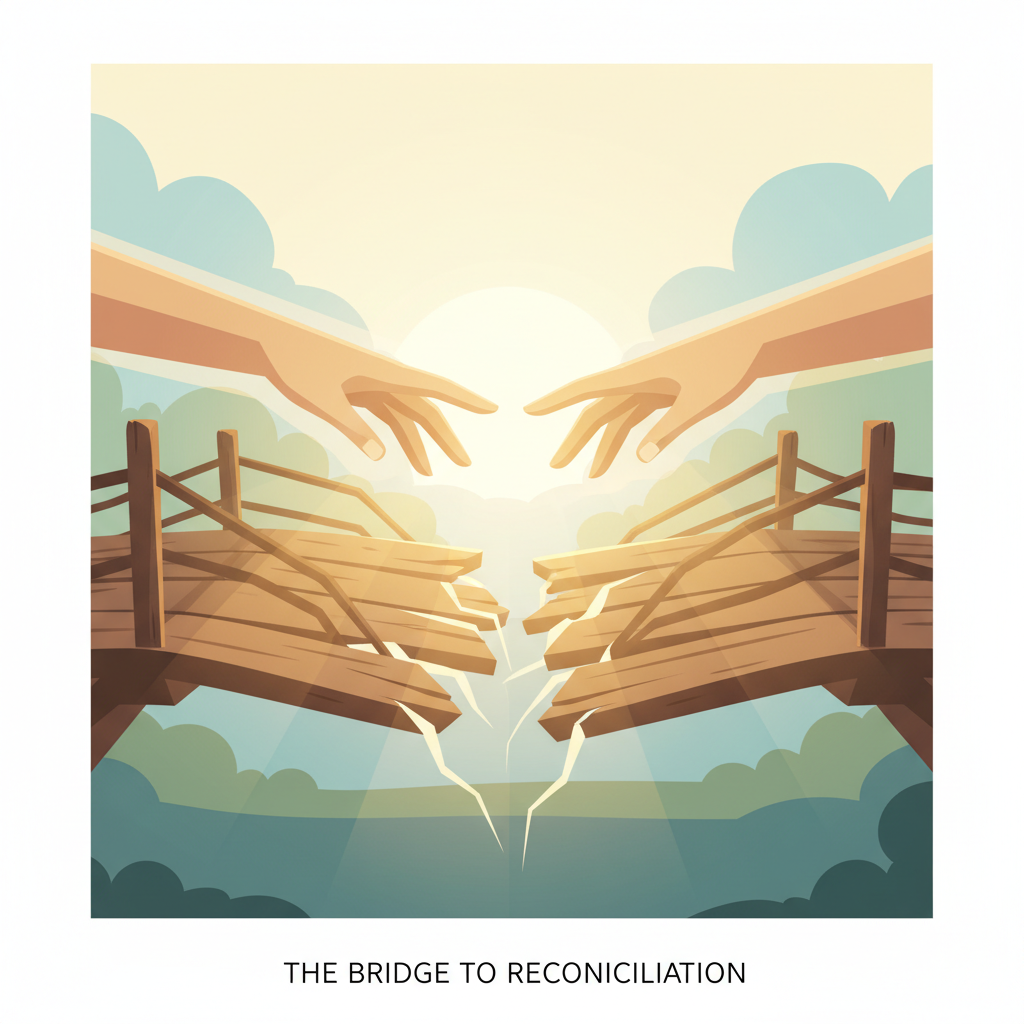
When Betrayal Cuts Deep: Verses That Heal Trust Wounds
Immediate aftermath (first 24-48 hours): I reach for Psalm 55:12-14 when the shock hits. "If an enemy were insulting me, I could endure it... but it is you, a man like myself, my companion, my close friend." Sometimes you need Scripture that names exactly what happened - betrayal by someone close hurts differently than conflict with strangers.
Days 3-7: Jeremiah 17:7-8 becomes my anchor when I'm questioning everyone's motives. "Blessed is the one who trusts in the Lord... They will be like a tree planted by the water." I've found this helps me separate my ability to trust God from my shattered trust in people.
Weeks 2-4: Romans 12:19 starts making sense when the anger settles. "Do not take revenge, my dear friends, but leave room for God's wrath." This isn't about being passive - it's about choosing freedom over being consumed by someone else's choices.
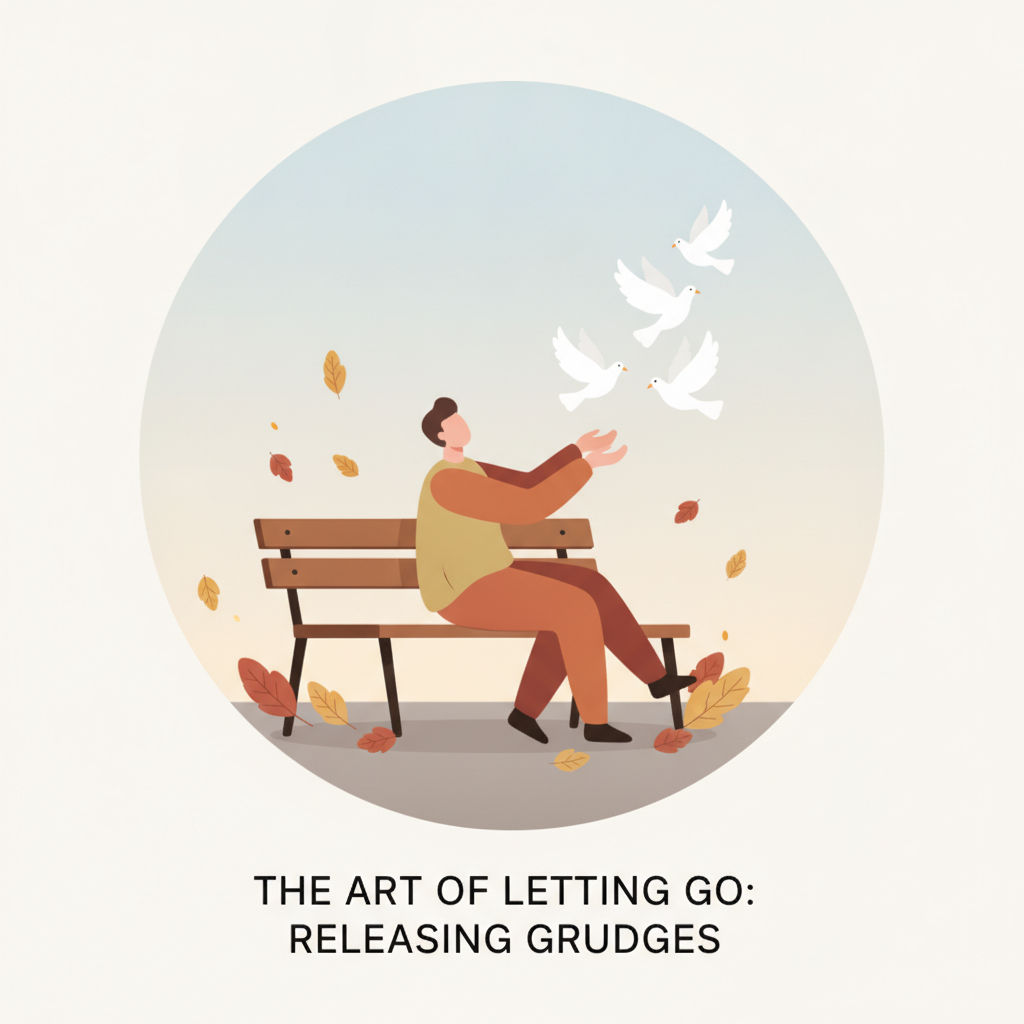
Releasing Resentment After Years of Silent Treatment
My sister and I went three years without speaking after a family blowup. I held onto every slight, replaying conversations until I could recite them word-for-word. The anger felt justified – she'd crossed lines.
What finally broke me was Ephesians 4:31-32: "Get rid of all bitterness, rage and anger... Be kind and compassionate to one another, forgiving each other, just as in Christ God forgave you."
I realized I wasn't punishing her anymore – I was poisoning myself. The silent treatment had become my prison too. Sometimes releasing resentment means accepting you'll never get the apology you deserve.

Finding Peace When Family Gatherings Feel Impossible
Last Thanksgiving, I dreaded walking into my sister's house. Three years of unresolved arguments made every holiday feel like stepping into a minefield. I started carrying Ephesians 4:32 in my phone notes: "Be kind and compassionate to one another, forgiving each other, just as in Christ God forgave you."
Instead of avoiding the gathering, I'd excuse myself to the bathroom and read it when tensions peaked. It didn't magically fix our relationship, but it kept me from saying something I'd regret. Small wins matter when family dynamics are messy.

Practical Steps for Forgiving Without Forgetting Boundaries
I've learned the hard way that forgiving someone doesn't mean rolling over and letting them hurt you again. Here's what actually works:
Set clear consequences upfront. I tell people exactly what happens if they cross certain lines again. With my brother who has addiction issues, I forgave his lies but made it clear - lie to me about using and we don't talk for six months.
Start with small interactions. Don't jump back into deep friendship after betrayal. I begin with brief, public meetings where nothing sensitive gets shared.
Watch actions, not apologies. Anyone can say sorry. I wait to see consistent behavioral changes over months before trusting again.
Keep your support system informed. My closest friends know my boundaries with difficult people. They help me stay accountable when emotions want to override wisdom.
Forgiveness is about freeing yourself from bitterness - not giving someone unlimited access to hurt you.
Quick Answers
How do you know when it's time to forgive someone who hurt you deeply?
From what I've experienced, you know it's time when the anger is hurting you more than them - usually when verses like Ephesians 4:31 ("Get rid of all bitterness, rage and anger") start hitting different during your quiet time. I'd say if you're losing sleep or can't pray without getting worked up about them, that's your signal to start the forgiveness process.
When should you use Matthew 18:15-17 versus just forgiving and moving on?
I use the Matthew 18 approach when the relationship actually matters to me and there's hope for restoration - like with family or close friends who've genuinely wronged me. If it's someone toxic or abusive, I lean more toward Luke 23:34 ("Father, forgive them") and create healthy distance while still releasing the bitterness for my own peace.
How do you forgive someone using scripture when they keep hurting you over and over?
This one's tough, but I've found that Colossians 3:13 ("Bear with each other and forgive one another") doesn't mean being a doormat. I forgive daily for my own freedom, but I also set boundaries - you can forgive seventy times seven like Jesus said in Matthew 18:22, but that doesn't mean you have to keep giving someone fresh opportunities to wound you.
What I've Learned About Forgiveness
Here's my take: these verses aren't magic formulas, but they're solid anchors when everything feels chaotic. I'd start with just one that resonates and sit with it for a while. Forgiveness is messy work, and that's okay - even the Bible acknowledges it takes time.

